
Jeep Suspension Upgrades 101: What Lift Kits Actually Do to Your Off-Road Performance
Jeep Suspension Upgrades 101: What Lift Kits Actually Do to Your Off-Road Performance
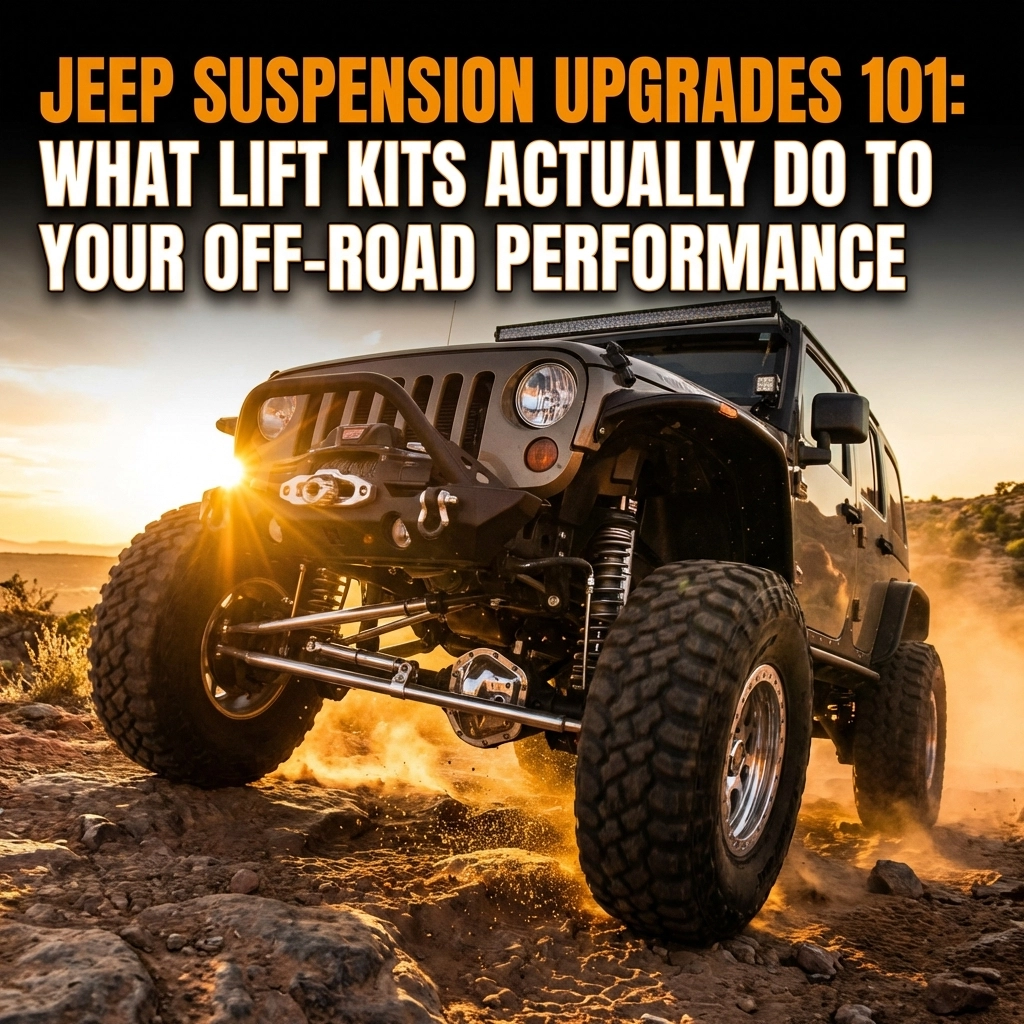
Jeep suspension upgrades represent our second most popular product category at DIY Customs Store, and for good reason. Lift kits fundamentally transform how your vehicle handles off-road terrain, but understanding what they actually accomplish helps you make smarter modification decisions.
Ground Clearance: The Foundation of Off-Road Performance
The primary benefit of any lift kit centers on increased ground clearance. Stock Jeeps typically offer 8-10 inches of clearance, which limits obstacle navigation on challenging trails. A quality suspension lift adds 1-5 inches of additional height between your vehicle's lowest points and the ground.
This extra clearance prevents costly undercarriage damage when crossing rocks, logs, or steep terrain transitions. Your differential, transmission, and exhaust system stay protected from impacts that would otherwise require expensive repairs.
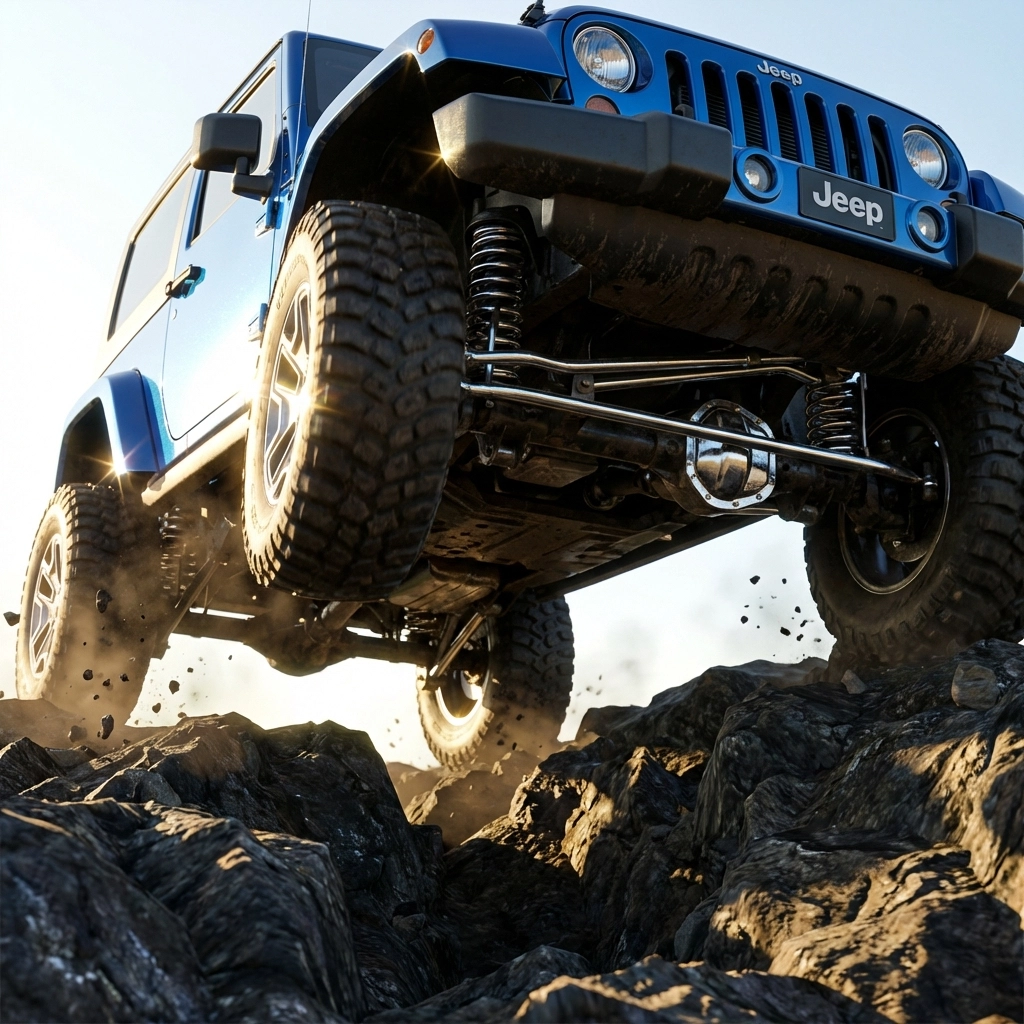
More clearance also improves your approach and departure angles. Approach angle measures how steep an incline your front bumper can handle before making ground contact. Departure angle does the same for your rear bumper when descending steep drops.
Stock Jeep Wranglers typically manage 36-44 degree approach angles and 30-37 degree departure angles. A moderate 2-3 inch lift can improve these figures by 3-5 degrees, significantly expanding the terrain you can tackle confidently.
Tire Size Benefits and Traction Gains
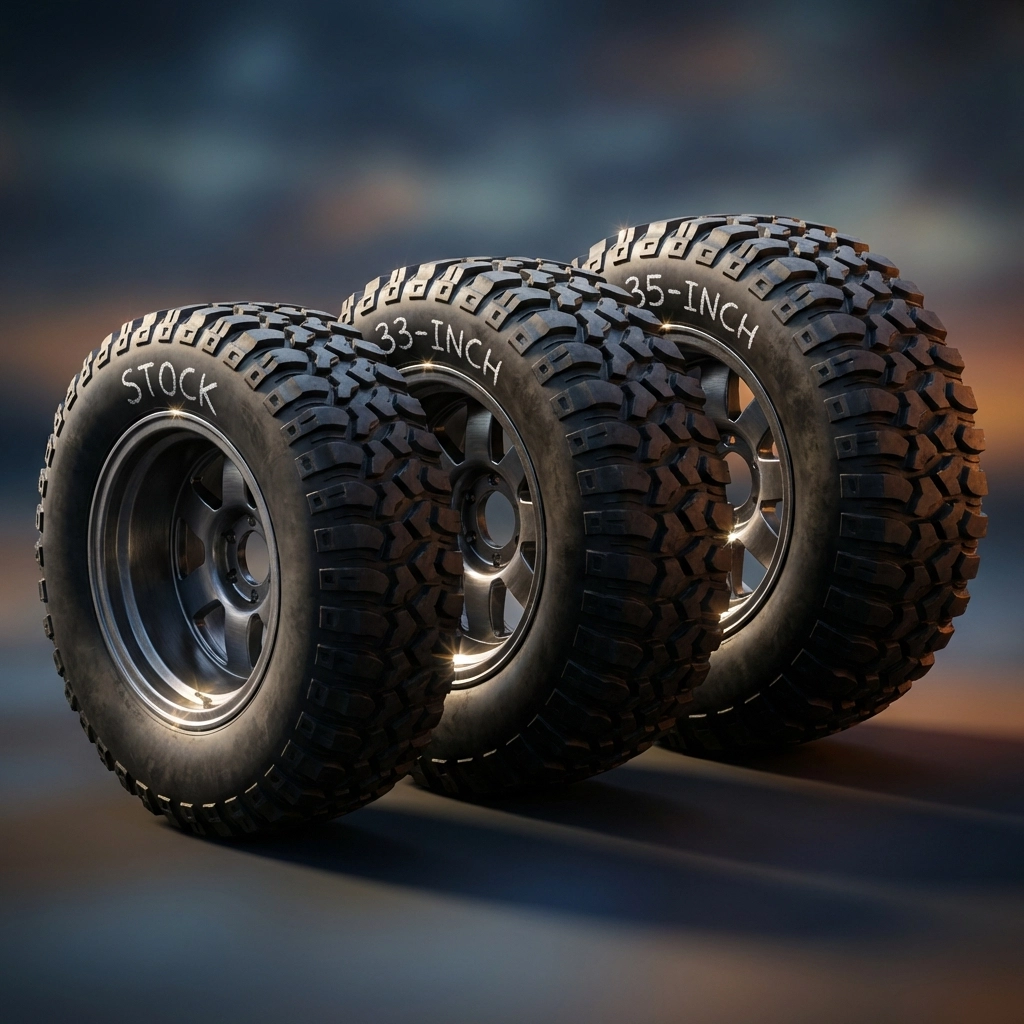
Lift kits enable larger tire installations, which directly impacts off-road traction and performance. Stock tire sizes like 245/75R17 work fine for daily driving but limit serious trail capability.
A 2-inch lift typically accommodates 33-inch tires without rubbing issues. Moderate 3-4 inch lifts handle 35-inch tires effectively. These larger tires feature aggressive tread patterns designed for specific terrain types:
- All-terrain tires balance on-road comfort with moderate off-road grip
- Mud-terrain tires excel in soft conditions but create road noise
- Rock-crawling tires maximize grip on hard surfaces
The increased tire diameter also improves ground clearance further, as the additional rubber height adds clearance at the axles and differential housing.
Suspension Travel and Impact Absorption
Quality lift kits don't just raise ride height - they improve suspension articulation and travel. Extended-length shocks and longer springs allow each wheel to move through greater distances when encountering obstacles.
This increased travel helps maintain tire contact with uneven surfaces, improving traction when one wheel drops into a hole or climbs over rocks. Better articulation also reduces the likelihood of lifting wheels off the ground, which eliminates drive power to that corner.
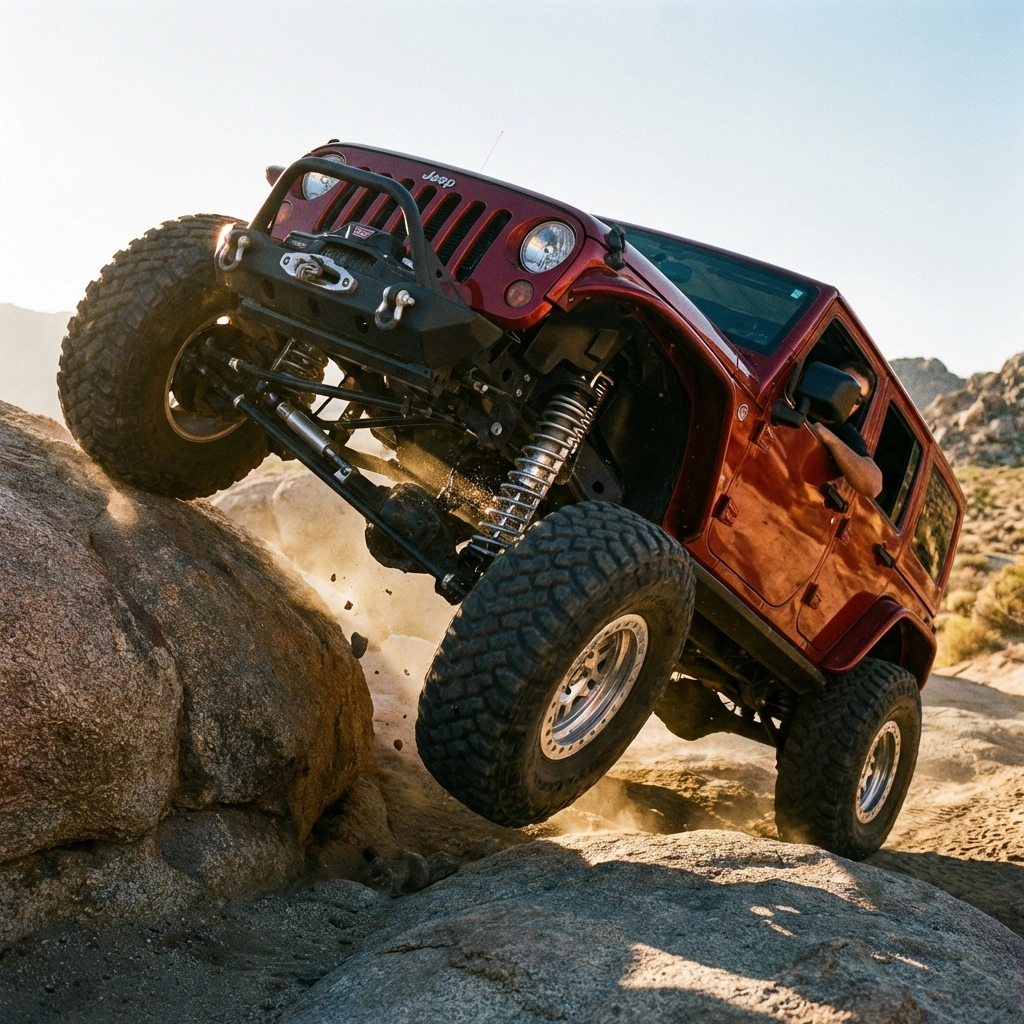
Enhanced shock absorption protects both passengers and mechanical components from harsh impacts. When your suspension can absorb more energy through its travel range, less shock transfers to the frame, steering components, and interior.
Lift Kit Types and Installation Considerations
Body lifts raise the vehicle body on spacers while leaving suspension geometry unchanged. These cost-effective options provide 1-3 inches of height for larger tire clearance but don't improve suspension performance or ground clearance at mechanical components.
Suspension lifts modify spring rates, shock lengths, and sometimes control arm geometry. These comprehensive systems improve actual off-road capability but require more installation time and expertise.
Coil spring spacers offer budget-friendly height gains of 1-2 inches. While less expensive than complete suspension overhauls, they may create harsh ride quality and don't address shock valving for the new ride height.
Professional installation typically costs $800-1500 depending on kit complexity and regional labor rates. DIY installation saves money but requires proper tools, jack stands rated for your vehicle's weight, and torque specifications for safety-critical components.
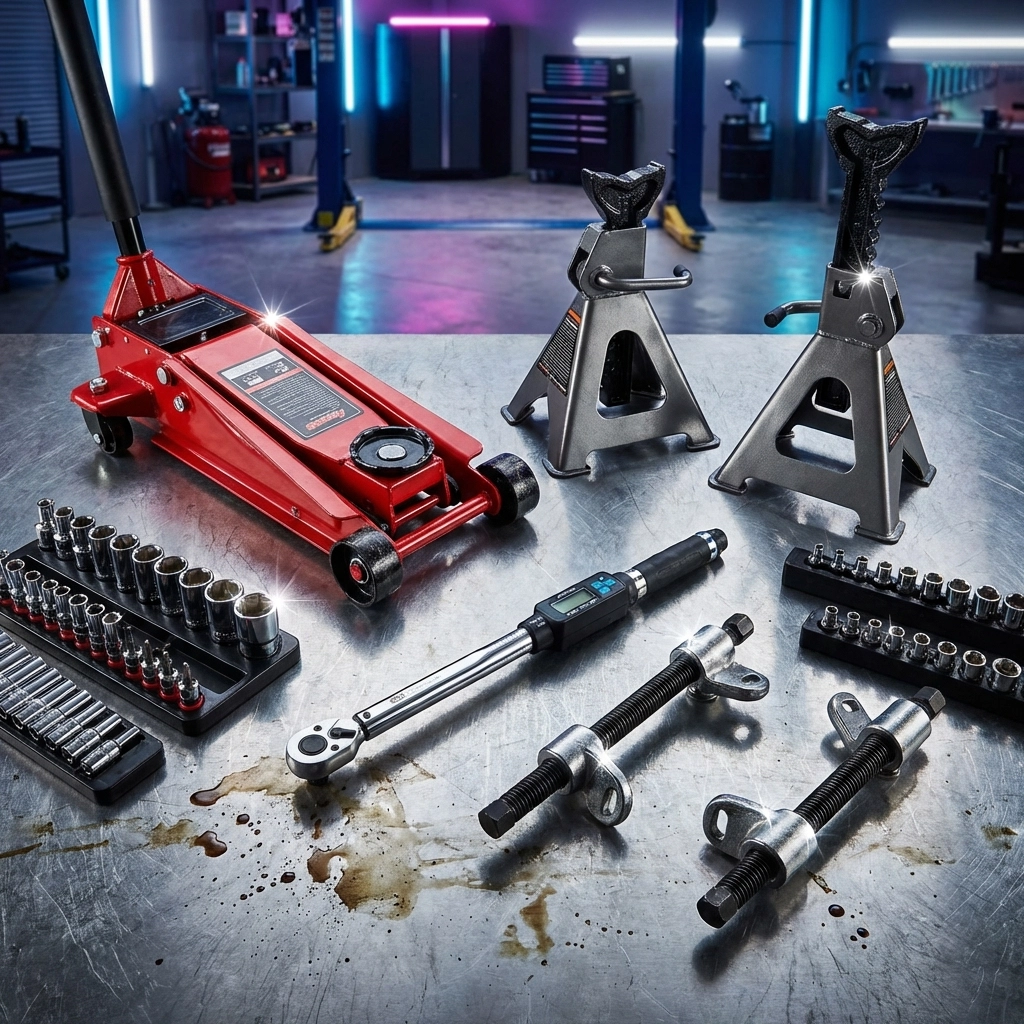
Essential installation tools include:
- Floor jack rated for 3+ tons
- Jack stands (minimum 6-ton capacity for safety)
- Socket set with metric sizes
- Torque wrench for proper fastener tension
- Spring compressor tools for coil spring work
Performance Trade-offs and Realistic Expectations
Lifting your Jeep creates measurable impacts on daily driving characteristics. Higher centers of gravity reduce cornering stability and increase body roll during turns. Most drivers adapt quickly to these changes, but aggressive cornering requires more caution.
Fuel economy typically decreases 1-3 MPG depending on lift height and tire size. Larger, more aggressive tires create additional rolling resistance and weight. The increased frontal area also impacts aerodynamics at highway speeds.
Steering feel changes with lifted suspensions, especially systems that modify control arm lengths or caster angles. Some lift kits require steering stabilizer upgrades to manage wheel vibration or wandering at highway speeds.
Brake performance may require attention with larger, heavier tire combinations. The increased rotating mass makes stopping distances longer and may overwhelm stock brake systems during aggressive use.
Popular Suspension Brands and Quality Differences
Premium suspension manufacturers like Fox, King, and Bilstein engineer shocks specifically for lifted applications. These brands offer adjustable valving, remote reservoirs for cooling, and extended service intervals compared to budget alternatives.
Mid-range options from Rough Country, Skyjacker, and Pro Comp provide solid performance for recreational off-roading without premium pricing. These systems work well for weekend trail use and moderate rock crawling.
Budget lift kits save money upfront but often require component replacements sooner. Cheaper shocks may leak or lose performance within 20,000 miles, while quality units last 60,000+ miles with proper maintenance.
Matching Lift Height to Intended Use
1-2 inch lifts improve clearance for larger tires while maintaining comfortable daily driving. These modest gains work well for light trail use, beach driving, and occasional rock crawling.
3-4 inch systems provide serious off-road capability for challenging trails and rock gardens. This range balances performance gains with manageable on-road characteristics for dual-purpose vehicles.
5+ inch extreme lifts target hardcore off-road use and rock bouncing. These systems prioritize maximum articulation and clearance over street manners or fuel economy.
Integration with Other Modifications
Suspension upgrades work best as part of coordinated modification plans. Upgraded brake pads and rotors help manage increased vehicle weight and tire size. Heavy-duty steering components handle the additional stress from larger tires and aggressive terrain.
Regearing differentials maintains proper power delivery with larger tire diameters. Most 33-inch tire upgrades benefit from 4.10 or 4.56 gear ratios, while 35-inch tires often require 4.88 or 5.13 ratios for optimal performance.
Our outlet clearance section frequently stocks suspension components from premium brands at significant discounts. These products may have minor cosmetic damage but maintain full functionality and manufacturer warranties.
DIY Installation Success Tips
Plan suspension installations over weekends to allow proper time for each step. Rushing critical safety components creates dangerous situations and poor results.
Replace suspension components in pairs when possible. Installing one new shock while leaving the old shock on the opposite side creates handling imbalances and uneven wear patterns.
Alignment checks are mandatory after suspension modifications. Changed ride height alters wheel angles, creating excessive tire wear and poor handling if not corrected promptly.
Break-in periods help new components settle properly. Avoid aggressive off-roading for the first 500 miles, allowing bushings to seat and components to find their natural positions.
Quality jeep suspension upgrades transform off-road capability when properly selected and installed. Understanding the real benefits and limitations helps you choose systems that match your intended use while maintaining safety and reliability for daily driving.