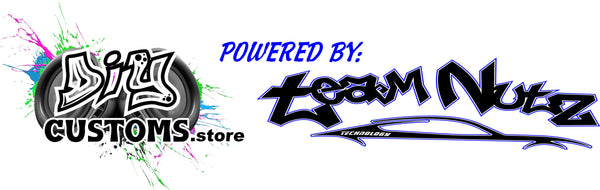

Lift Kits vs. Leveling Kits: Which Suspension Upgrade Is Right for Your Truck?
Lift Kits vs. Leveling Kits: Which Suspension Upgrade Is Right for Your Truck?
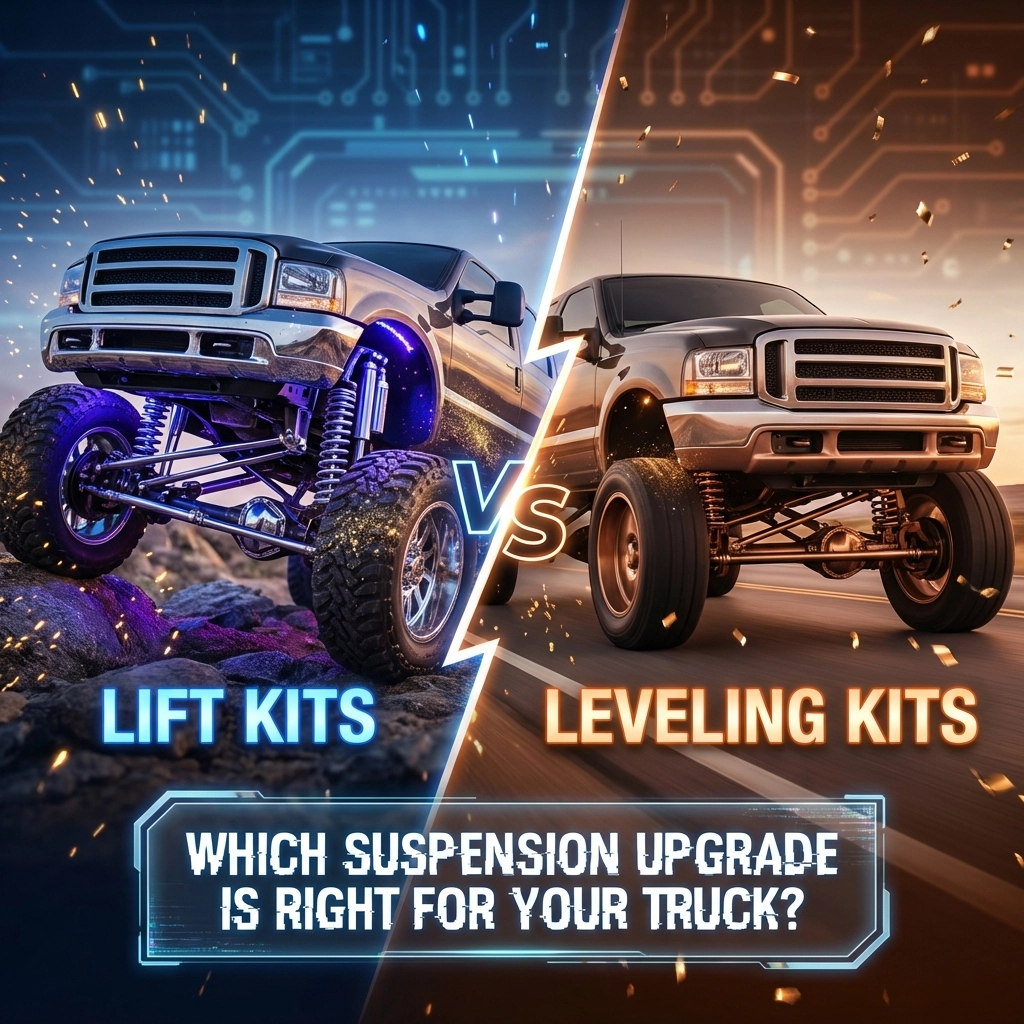
Choosing between lift kits and leveling kits determines your truck's capability, appearance, and performance. Each serves different purposes and budgets.
What Are Leveling Kits?
Leveling kits raise only the front of your truck to match the rear height. Trucks come from the factory with a forward "rake" - the front sits slightly lower than the rear. This design accommodates cargo weight in the bed.
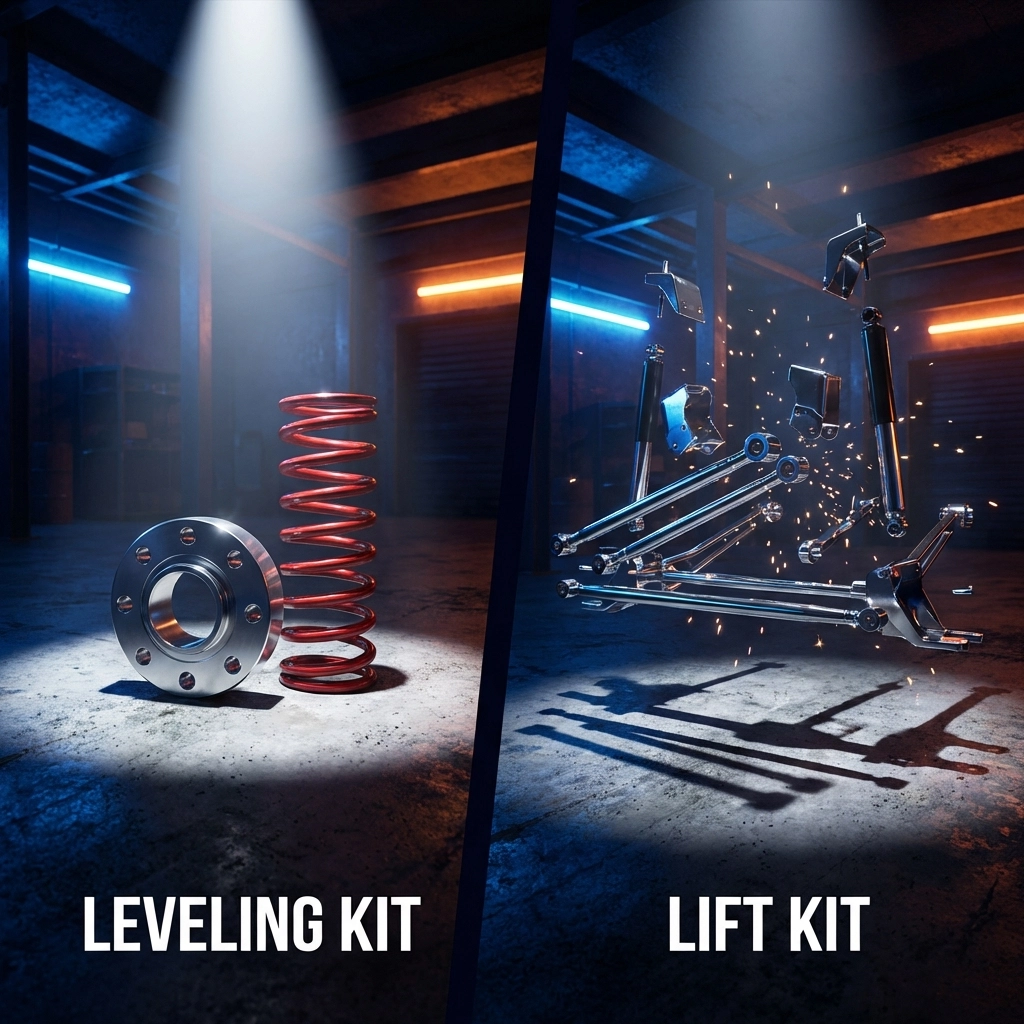
Leveling kits typically add 1.75-3 inches of height to the front using spacers or coil spring spacers. Installation requires minimal suspension changes compared to full lift systems.
What Are Lift Kits?
Lift kits raise both front and rear of your vehicle by 3-6 inches or more. These systems replace multiple suspension components including springs, shocks, control arms, and track bars.
Installation complexity increases significantly with lift kits due to the number of components involved.
Key Performance Differences
Ground Clearance
Leveling kits provide modest ground clearance improvement at the front. Lift kits deliver significant clearance increases front and rear for serious off-road use.
Tire Compatibility
Leveling kits accommodate slightly larger tires without extensive modifications. Lift kits allow substantially larger tire upgrades for enhanced traction and appearance.
Ride Quality
Leveling kits maintain factory ride quality with minimal changes to suspension geometry. Lift kits can alter ride characteristics depending on component quality and installation.
Center of Gravity
Both modifications raise center of gravity. Leveling kits create minimal impact on stability. Lift kits significantly raise center of gravity, affecting cornering and highway stability.
Installation Considerations
Leveling Kit Installation
Leveling kit installation takes 2-4 hours for experienced DIYers. Basic tools handle most installations. No alignment typically required with quality spacer systems.
Professional installation costs $200-400 including parts for most trucks.
Lift Kit Installation
Lift kit installation requires 6-12 hours depending on complexity. Specialized tools often necessary for proper installation. Alignment required after installation.
Professional installation costs $800-2000 including parts depending on kit complexity.
Cost Analysis
Leveling Kit Costs
Quality leveling kits range from $150-400. Installation adds $200-400 if professionally installed. Total investment typically under $800.
Lift Kit Costs
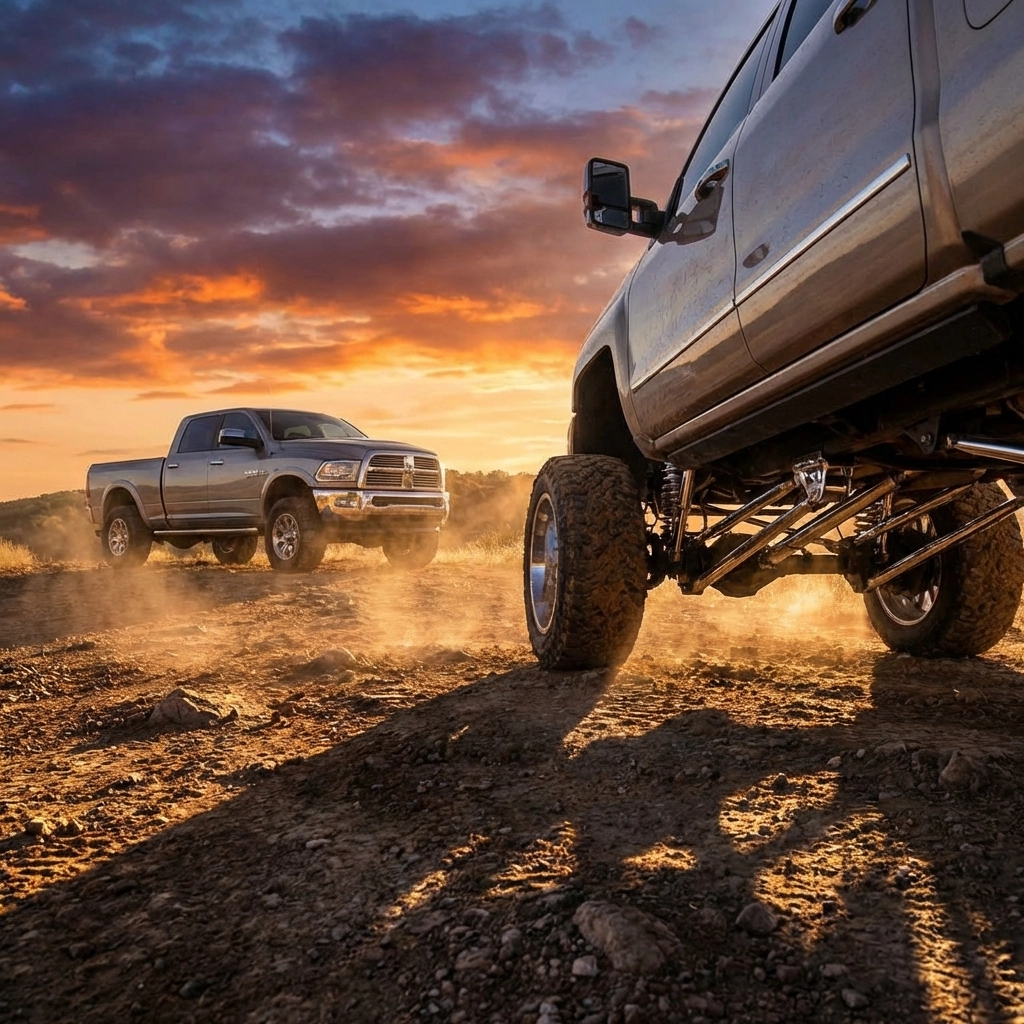
Lift kits range from $800-3000 depending on height and component quality. Professional installation adds $800-2000. Total investment often exceeds $2500.
Brand Considerations
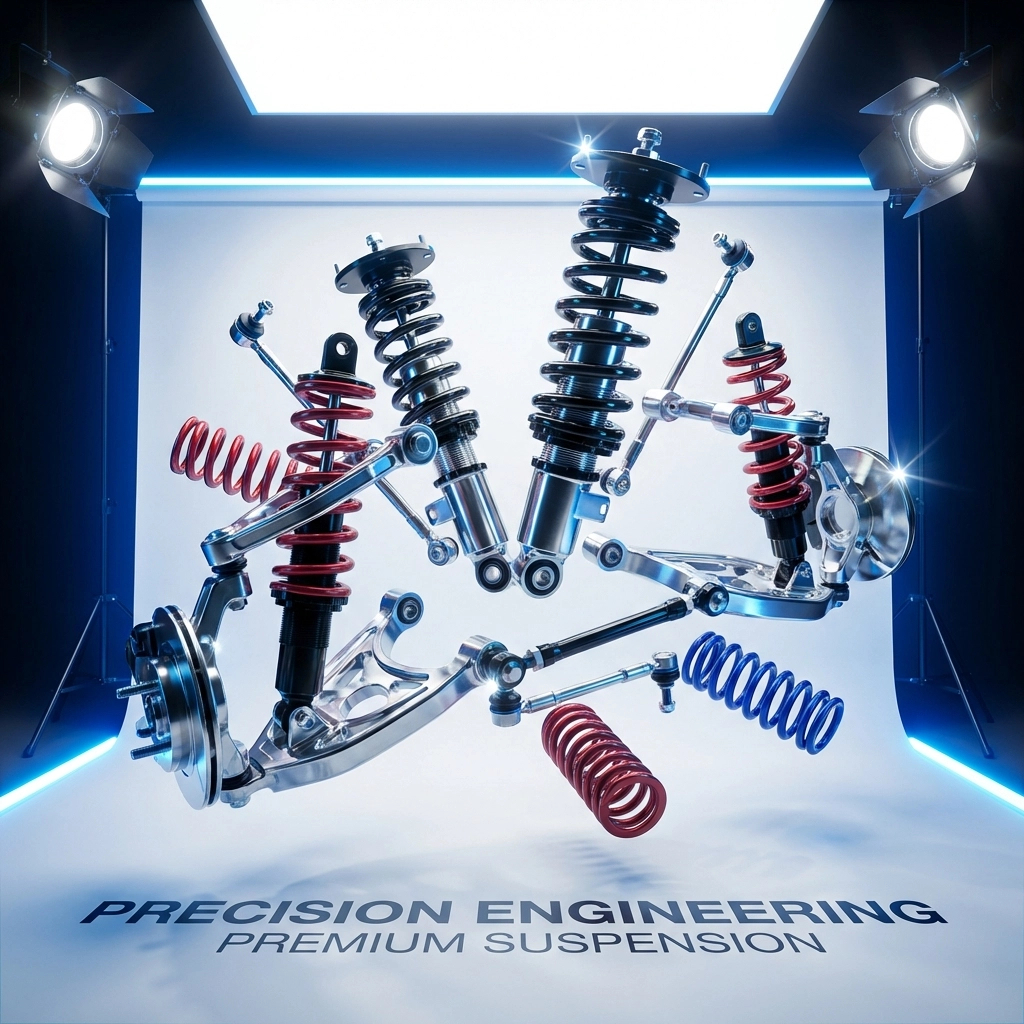
Quality matters significantly in suspension modifications. Trusted brands like Bilstein, Fox, Rancho, ReadyLift, Pro Comp, and Fabtech offer proven performance and durability.
Bilstein provides precision engineering for consistent performance. Fox offers advanced damping technology for demanding conditions. Rancho delivers reliable solutions for various applications.
ReadyLift specializes in leveling solutions with straightforward installation. Pro Comp offers comprehensive lift systems for serious off-road use. Fabtech provides heavy-duty solutions for extreme applications.
When to Choose Leveling Kits
Select leveling kits for:
Appearance Enhancement Eliminate factory rake for balanced stance. Create aggressive appearance without extreme modifications.
Moderate Tire Upgrades Fit 33-35 inch tires on most trucks. Improve traction without extensive modifications.
Budget-Conscious Upgrades Achieve visual impact with minimal investment. Maintain warranty considerations with simple modifications.
Daily Driver Use Preserve ride quality for commuting. Maintain fuel economy with minimal aerodynamic changes.
Weight Distribution Correct sag from heavy front accessories like winches or custom bumpers. Restore proper headlight aim after adding front weight.
When to Choose Lift Kits
Select lift kits for:
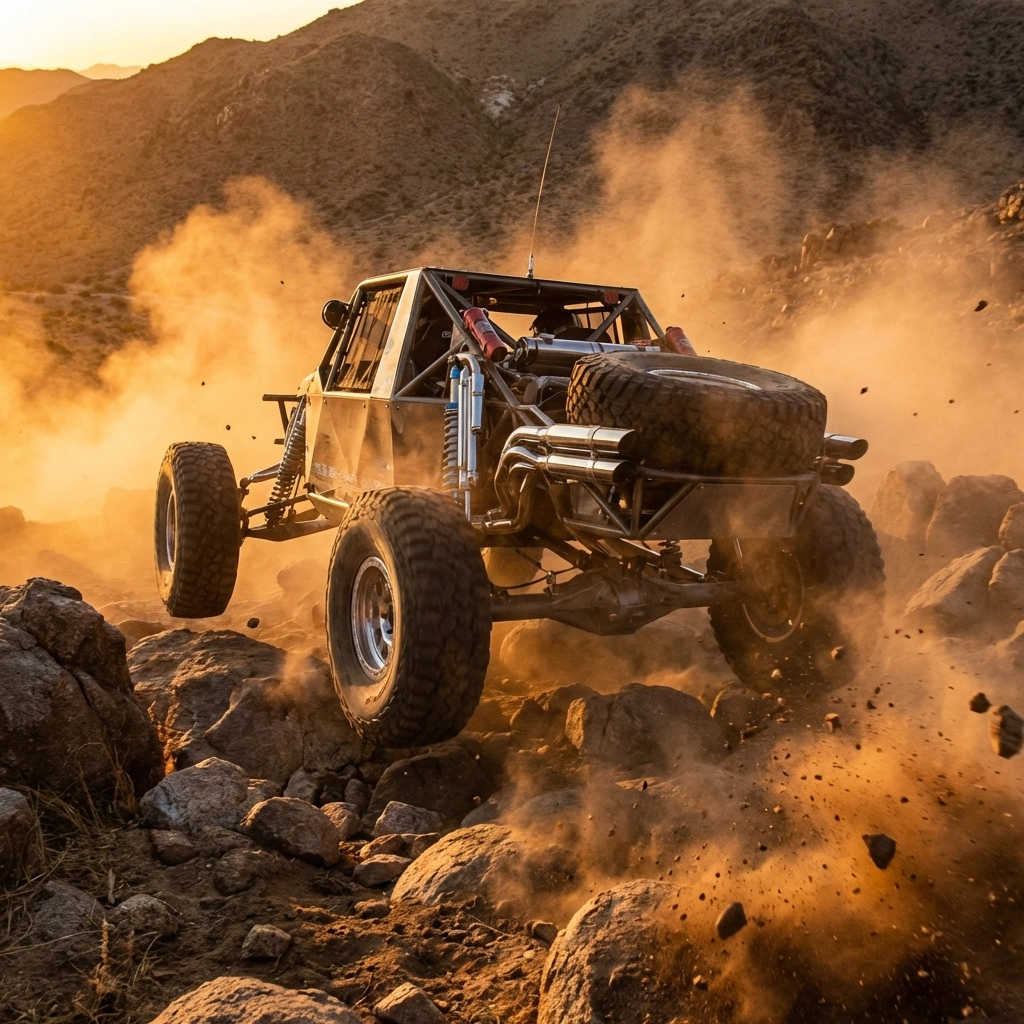
Serious Off-Road Use Navigate challenging terrain with confidence. Protect undercarriage components from damage.
Maximum Tire Clearance Run 37+ inch tires for ultimate traction. Create space for significant wheel travel.
Suspension Articulation Improve wheel travel for technical trails. Maintain traction over uneven terrain.
Towing and Hauling Some lift systems improve rear suspension for heavy loads. Maintain proper geometry under load.
Complete Transformation Achieve dramatic appearance changes. Create show-worthy stance for truck enthusiasts.
Common Misconceptions
"Bigger is Always Better"
Excessive height creates more problems than benefits. Choose height based on actual needs, not maximum available.
"All Kits Are the Same"
Component quality varies significantly between manufacturers. Premium brands offer superior durability and performance.
"Installation is Simple"
Lift kits require precision installation for proper performance. Improper installation creates safety hazards and component failure.
"No Maintenance Required"
Both systems require periodic inspection and maintenance. Check hardware torque and component wear regularly.
Trade-offs and Limitations
Fuel Economy Impact
Leveling kits minimally impact fuel economy. Lift kits with larger tires significantly reduce fuel efficiency.
Highway Stability
Higher center of gravity affects high-speed stability. Wind sensitivity increases with height and tire size.
Parking and Access
Lifted vehicles require consideration for parking structures and drive-throughs. Daily usability decreases with extreme modifications.
Component Wear
Altered suspension geometry can accelerate wear on certain components. Quality installations minimize these effects.
Making Your Decision
Evaluate your actual needs before purchasing. Consider:
Primary Use: Daily driving favors leveling kits. Off-road adventures benefit from lift kits.
Budget: Leveling kits offer significant value. Lift kits require substantial investment.
Experience Level: DIY installation possible with leveling kits. Lift kits often require professional installation.
Future Plans: Consider long-term modifications when choosing initial suspension upgrades.
Professional Installation vs. DIY
DIY Considerations
Leveling kits suit experienced DIYers with proper tools. Lift kits challenge even skilled mechanics without specialized equipment.
Safety depends on proper installation. Suspension modifications affect vehicle stability and handling.
Professional Benefits
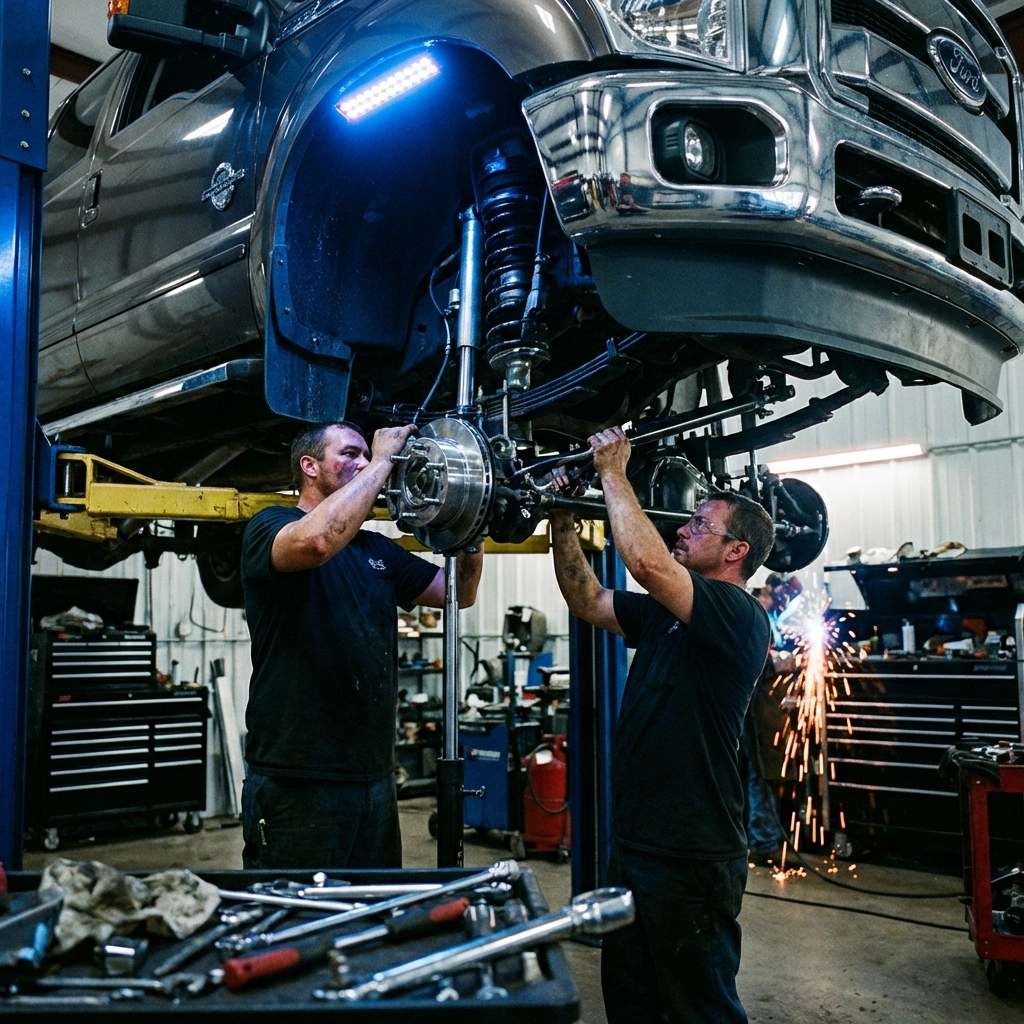
Experienced installers ensure proper geometry and torque specifications. Warranty protection often requires professional installation.
Access to specialized tools prevents damage during installation. Professional shops provide post-installation support.
Conclusion
Leveling kits serve trucks needing modest height increase and improved appearance. Lift kits suit serious off-road use requiring maximum clearance and capability.
Budget, intended use, and installation capability determine the best choice. Quality components from established brands ensure reliable performance and safety.
Consider your truck's primary purpose when selecting suspension modifications. Both options enhance capability when properly chosen and installed.