
Safety on the Water: Top-Rated Marine Safety Equipment for 2026
Marine safety equipment protects lives. Technology advances each year. 2026 equipment offers improved reliability and functionality.
Required Safety Gear Categories
Federal regulations mandate specific equipment onboard. Visual distress signals, flotation devices, fire extinguishers, and sound-producing devices form the foundation. Navigation lights and emergency communication devices complete baseline requirements.
State regulations add requirements. Check local laws before departure. Equipment must meet Coast Guard approval standards.
Electronic Distress Signals Replace Flares
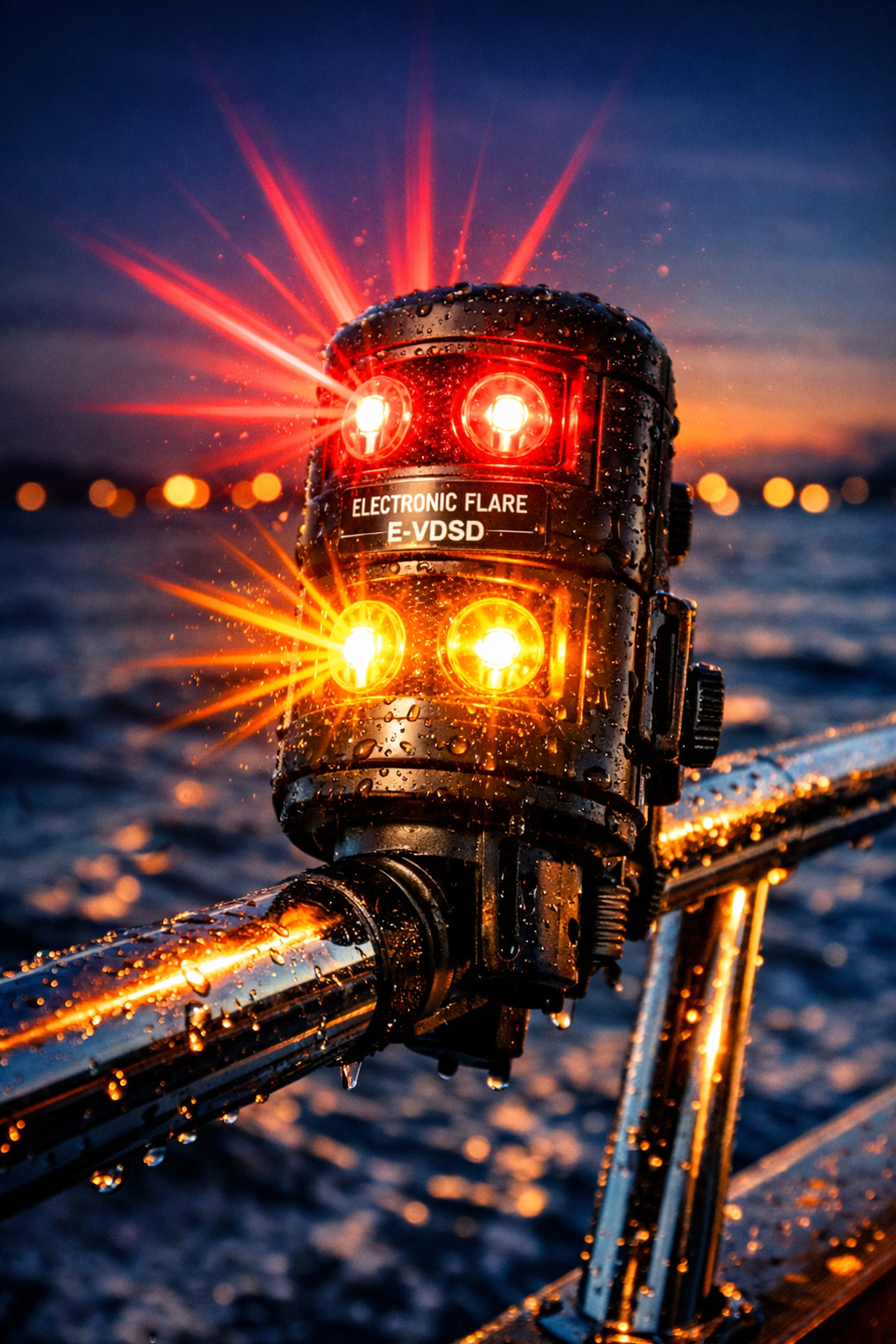
Electronic Visual Distress Signals (eVDSDs) offer Coast Guard-approved alternatives to pyrotechnic flares. Batteries last years. LED signals provide 360-degree visibility exceeding six miles. Waterproof construction withstands marine environments.
Multi-color SOS patterns increase detection probability. Red-orange and cyan LEDs meet regulatory standards. Infrared modes integrate with Search and Rescue night vision systems. Reusable design eliminates replacement costs and storage concerns.
Traditional flares remain acceptable. Electronic alternatives reduce environmental impact and maintenance requirements.
Personal Locator Beacons and EPIRBs
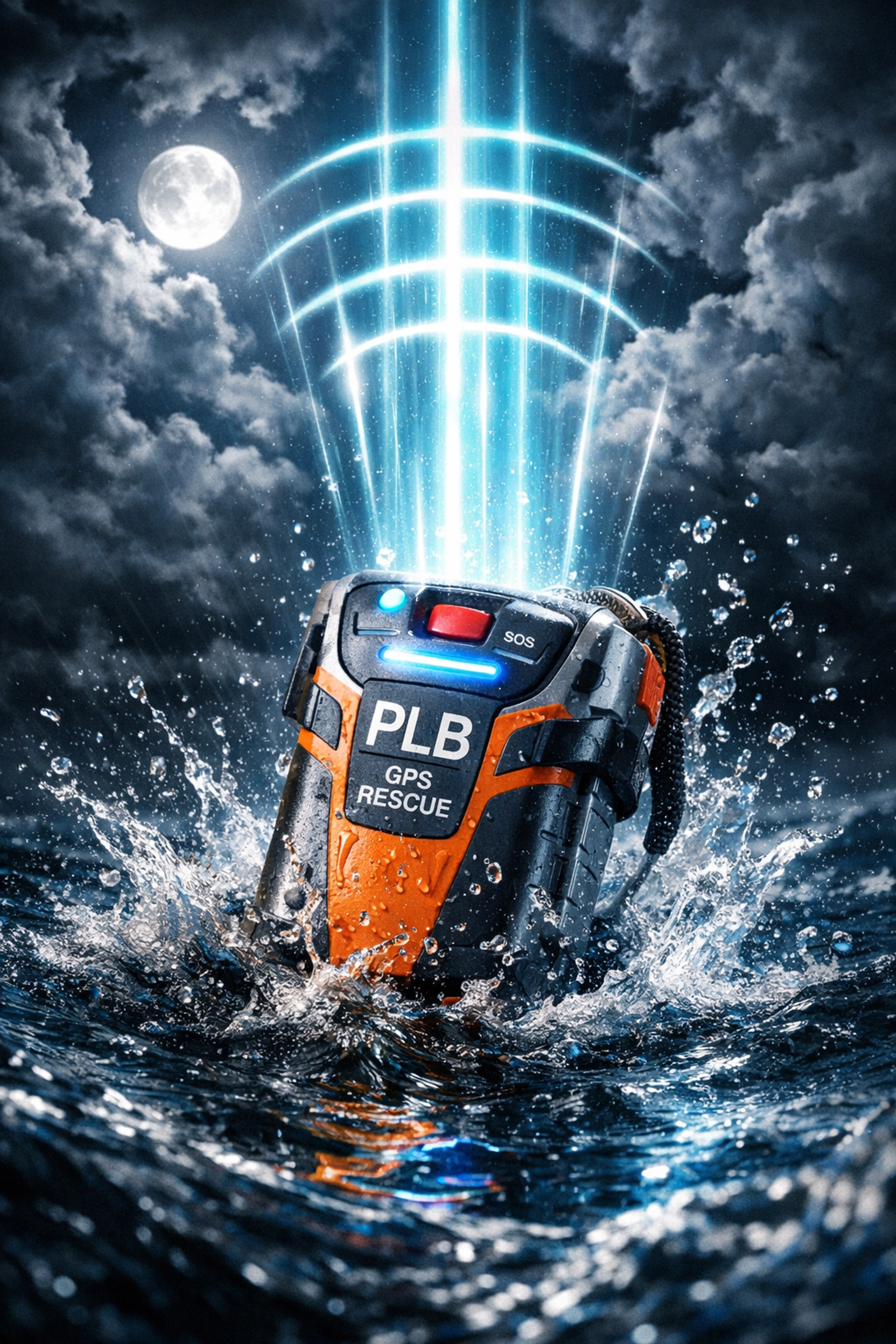
Personal Locator Beacons (PLBs) transmit distress signals via satellite networks. Integrated GPS provides precise location coordinates. Multi-frequency transmission increases detection probability across satellite systems.
Emergency Position Indicating Radio Beacons (EPIRBs) automatically activate upon water contact. Battery life extends to 48 hours continuous operation. Faster satellite response times reduce rescue delays. Registration with NOAA links beacons to vessel and owner information.
Mobile app synchronization allows real-time status monitoring. Test functions verify operational readiness without false alarms.
Automatic Inflatable Life Vests
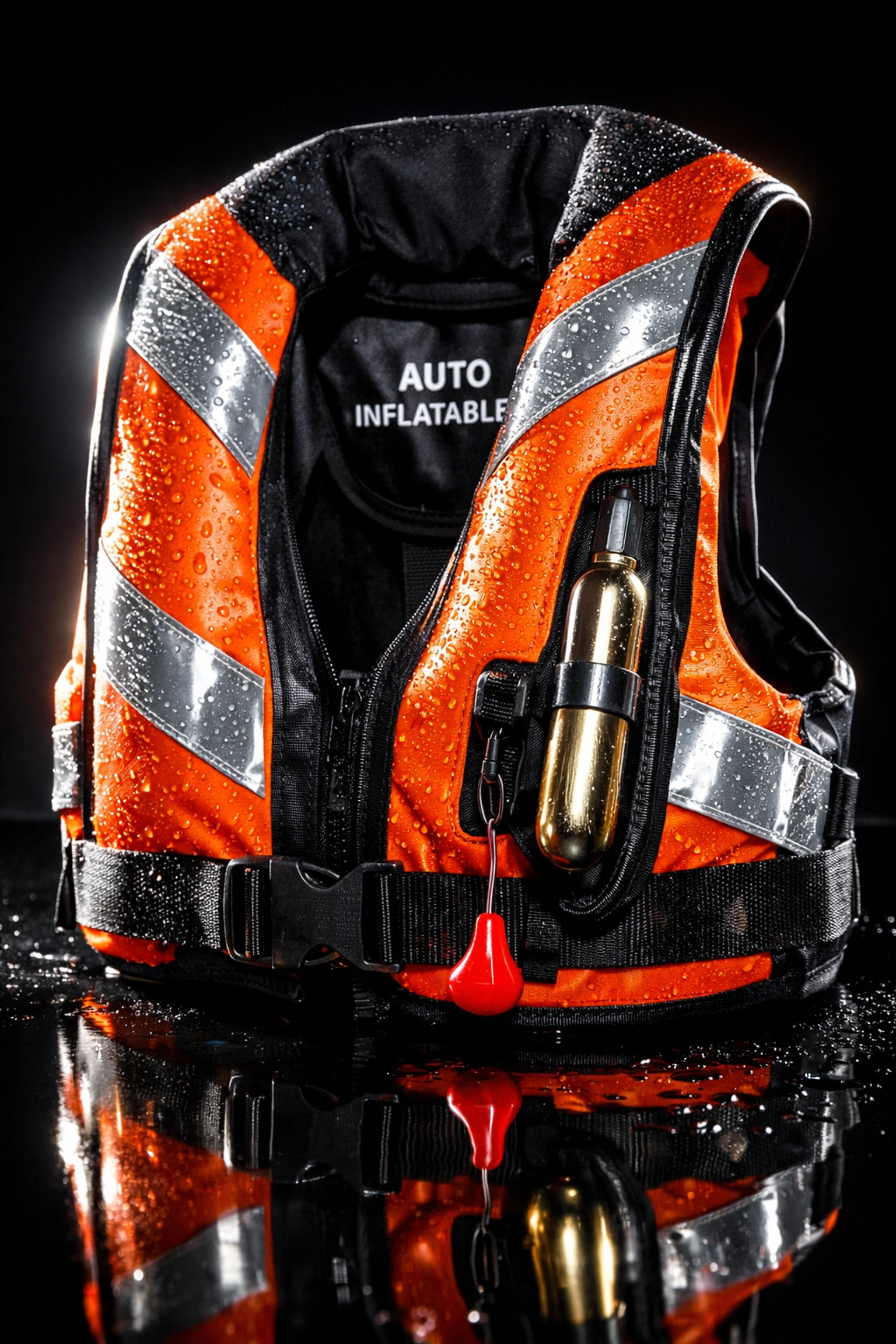
Modern life vests incorporate automatic inflation mechanisms. Water-activated triggers deploy flotation within seconds. Manual backup activation provides redundancy.
Smart sensors monitor wearer position. Unconscious detection triggers automatic inflation and distress signal transmission. Integrated MOB alert systems notify crew immediately.
Maintenance requires annual inspection. CO2 cartridge replacement follows manufacturer specifications. Fabric integrity checks prevent failure during emergencies.
Man Overboard Alert Systems
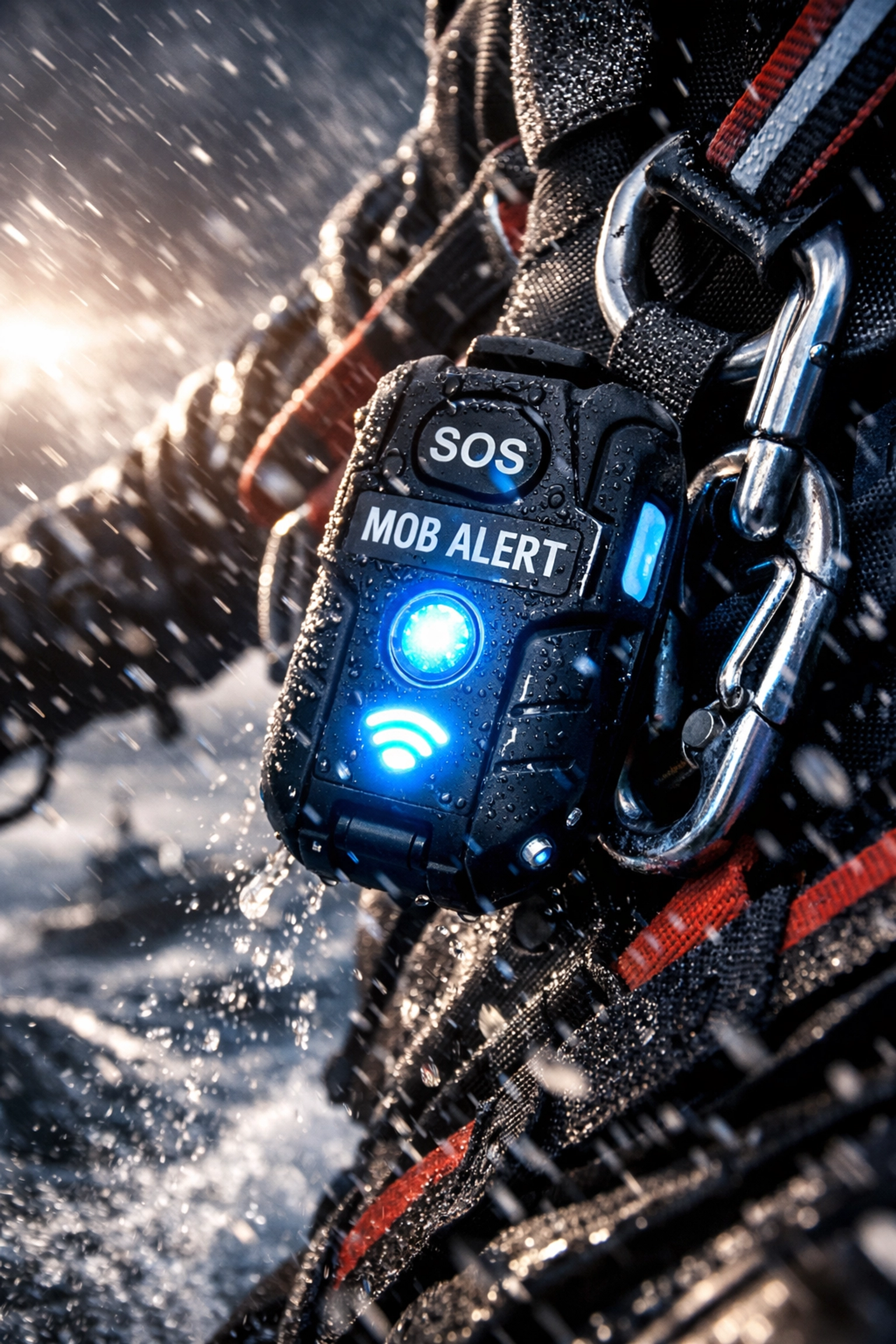
MOB alert systems attach to individuals or safety harnesses. Wireless connection to onboard receivers monitors crew positions. Automatic alerts trigger upon separation from vessel.
Engine shutdown protocols prevent propeller strikes. GPS coordinates mark overboard location. Alarm systems notify all crew members simultaneously.
Compact wearable tags fit inside pockets or attach to life vests. Battery life extends multiple seasons. Waterproof construction withstands immersion.
Navigation and Collision Avoidance Technology
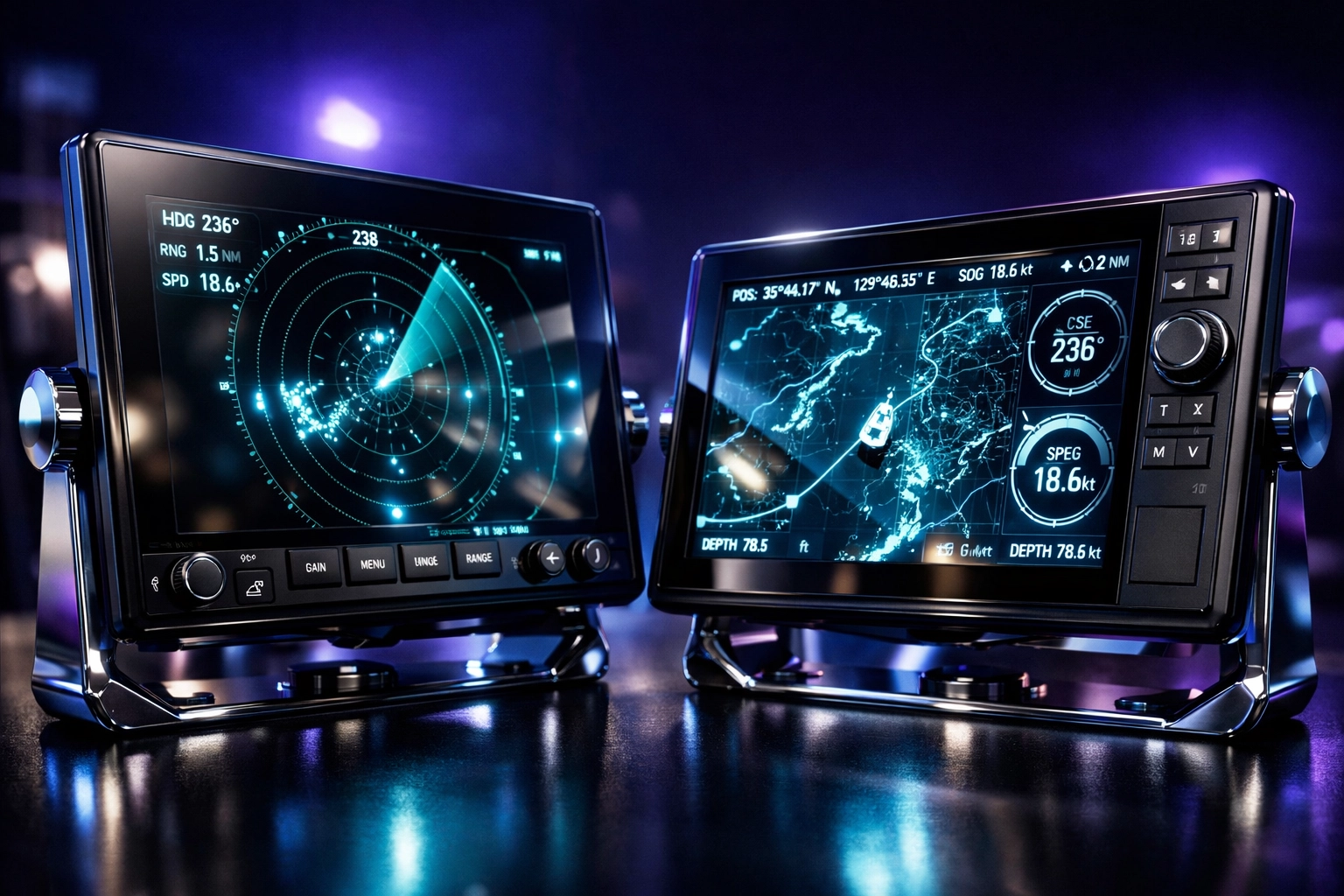
Radar and AIS integration provides comprehensive situational awareness. Automatic Identification System displays vessel positions, courses, and speeds. Collision risk calculations alert operators to potential conflicts.
AI-powered course suggestions optimize safe navigation. Real-time weather integration adjusts routing recommendations. Chartplotters like the Simrad GO9 XSE combine multiple functions in single displays.
Emergency auto-stop mechanisms halt propulsion upon MOB detection. Integration with alert systems provides comprehensive safety response.
Communication Equipment
VHF radios remain primary emergency communication tools. Digital Selective Calling (DSC) transmits distress signals with GPS coordinates. Channel 16 monitoring ensures contact with Coast Guard and nearby vessels.
Satellite communication provides backup beyond VHF range. Emergency messaging capabilities function without cellular coverage. Subscription services vary by provider and coverage area.
Waterproof handheld units serve as backup systems. Floating designs prevent loss overboard. Battery compartments accept standard cells for field replacement.
Fire Suppression Systems
Marine-rated fire extinguishers address Class B and C fires. Multiple units distributed throughout vessel ensure accessibility. Annual inspections verify pressure and charge levels.
Automatic engine room suppression systems detect and extinguish fires without crew intervention. Heat-activated triggers deploy suppressant agents. Manual activation provides backup control.
Extinguisher placement near galley, engine compartment, and sleeping areas follows safety protocols. Mounting brackets secure units against vessel motion.
Auxiliary Safety Equipment
Solar-powered navigation lights eliminate battery replacement. LED technology provides years of maintenance-free operation. Waterproof construction withstands continuous marine exposure.
First aid kits contain marine-specific supplies. Seasickness medication, waterproof bandages, and hypothermia treatments address common emergencies. Regular inventory checks maintain readiness.
Boarding ladders facilitate water reentry. Telescoping designs stow compactly. Weight capacity exceeds maximum crew member weight.
Battery Technology Advances
Solid-state marine batteries eliminate fire risk. Lithium technology provides lightweight power. Deep discharge tolerance supports extended use without damage.
Solar charging integration maintains charge levels during storage. Battery management systems prevent overcharge and undervoltage conditions. Cold cranking amperage specifications match engine requirements.
Secure mounting prevents battery movement during rough conditions. Terminal protection prevents short circuits from tools or equipment.
Mounting Solutions for Electronics
Secure mounting protects expensive electronics. RAM Mount systems provide adjustable positioning with vibration dampening. Ball and socket designs accommodate various angles.
Waterproof connections protect electrical interfaces. Cable management prevents snag hazards. Quick-release mechanisms allow equipment removal for storage.
Maintenance Schedules
Annual inspections verify equipment functionality. Flotation device buoyancy testing confirms proper inflation. Expiration dates on flares and battery-powered devices require monitoring.
Corrosion prevention requires regular cleaning. Freshwater rinse after saltwater exposure extends equipment life. Lubrication of moving parts prevents seizure.
Documentation of maintenance activities supports insurance claims and resale value. Logbooks track service intervals and replacement dates.
Selecting Equipment for Vessel Size
Coastal vessels require different equipment than offshore boats. Distance from shore determines communication range needs. Crew size affects flotation device quantity.
Freshwater and saltwater environments impact material selection. Brackish water requires marine-grade specifications. UV exposure levels vary by geographic location.
Storage capacity limits equipment selection. Compact alternatives serve smaller vessels. Multi-function devices reduce required storage space.
Nationwide Marine Safety Equipment Access
DIY Customs Store ships marine safety equipment to all 50 states. Orders over $200 qualify for free shipping. Nationwide delivery ensures access regardless of location.
Browse marine electronics and safety equipment at diycustoms.store. Search functionality filters products by category and brand. Customer service provides technical specifications and compatibility information.
Premium brands deliver reliability in emergency situations. Competitive pricing makes safety equipment accessible. Fast shipping minimizes downtime between ordering and installation.
Preparation Saves Lives
Equipment functionality depends on proper installation and maintenance. Crew familiarity with safety equipment operation prevents delays during emergencies. Regular drills practice emergency procedures.
Safety equipment represents investment in crew protection. Regulatory compliance avoids citations and fines. Peace of mind comes from knowing equipment will function when needed.
Order marine safety equipment from DIY Customs Store with confidence. Nationwide shipping reaches customers across America. Free shipping on orders over $200 applies to safety equipment purchases. Shop online at diycustoms.store for comprehensive marine safety solutions.
SEO Keywords: marine safety equipment, boat safety gear 2026, electronic distress signals, personal locator beacons, EPIRBs, life vests, MOB alert systems, marine navigation equipment, Coast Guard approved safety gear, marine fire extinguishers, boat safety technology
Meta Description: Complete guide to marine safety equipment for 2026. Electronic distress signals, personal locator beacons, life vests, and navigation technology. Free shipping over $200 nationwide.
Excerpt: Marine safety equipment advances in 2026 include electronic distress signals, automatic life vests, and integrated MOB alert systems. Learn essential safety gear requirements and modern technology options for boaters.