
Spring Ready: Essential Marine Gear to Get Your Boat Water-Ready
Spring arrives. Boats need prep. This guide covers essential marine gear to get your vessel water-ready for the season.
Battery and Electrical Systems
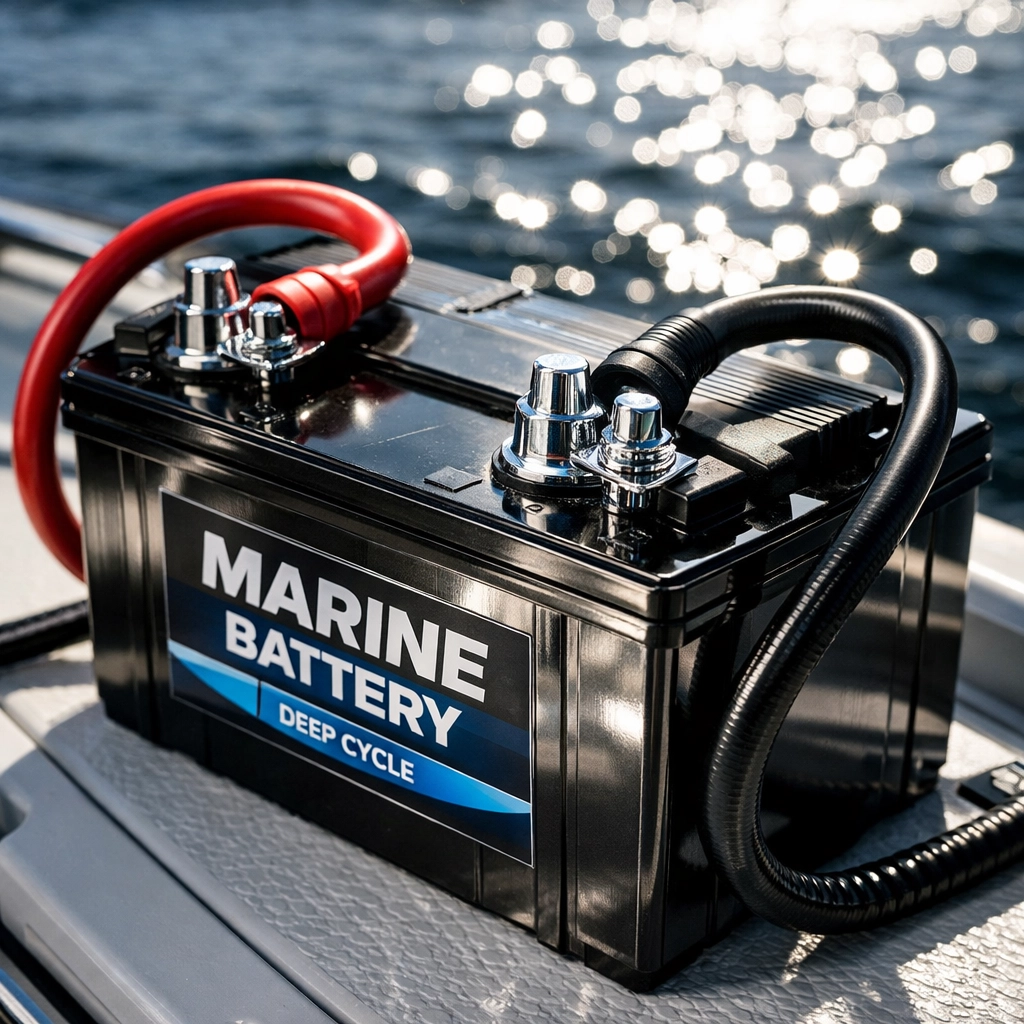
Battery maintenance starts the list. Check state of charge. Clean corroded terminals with wire brush or sandpaper. Secure battery per manufacturer standards.
Test all electrical connections after installation. Run lights, depth finders, GPS units, trolling motors, radios, and bilge pumps all require verification. Replace failed components before launch.
Battery chargers and maintainers prevent dead batteries during storage. Marine-grade batteries handle deep discharge cycles better than automotive batteries.
Marine Entertainment Systems
Upgrade or replace marine audio systems during spring prep. JL Audio manufactures marine-rated speakers, subwoofers, and amplifiers built for saltwater environments.
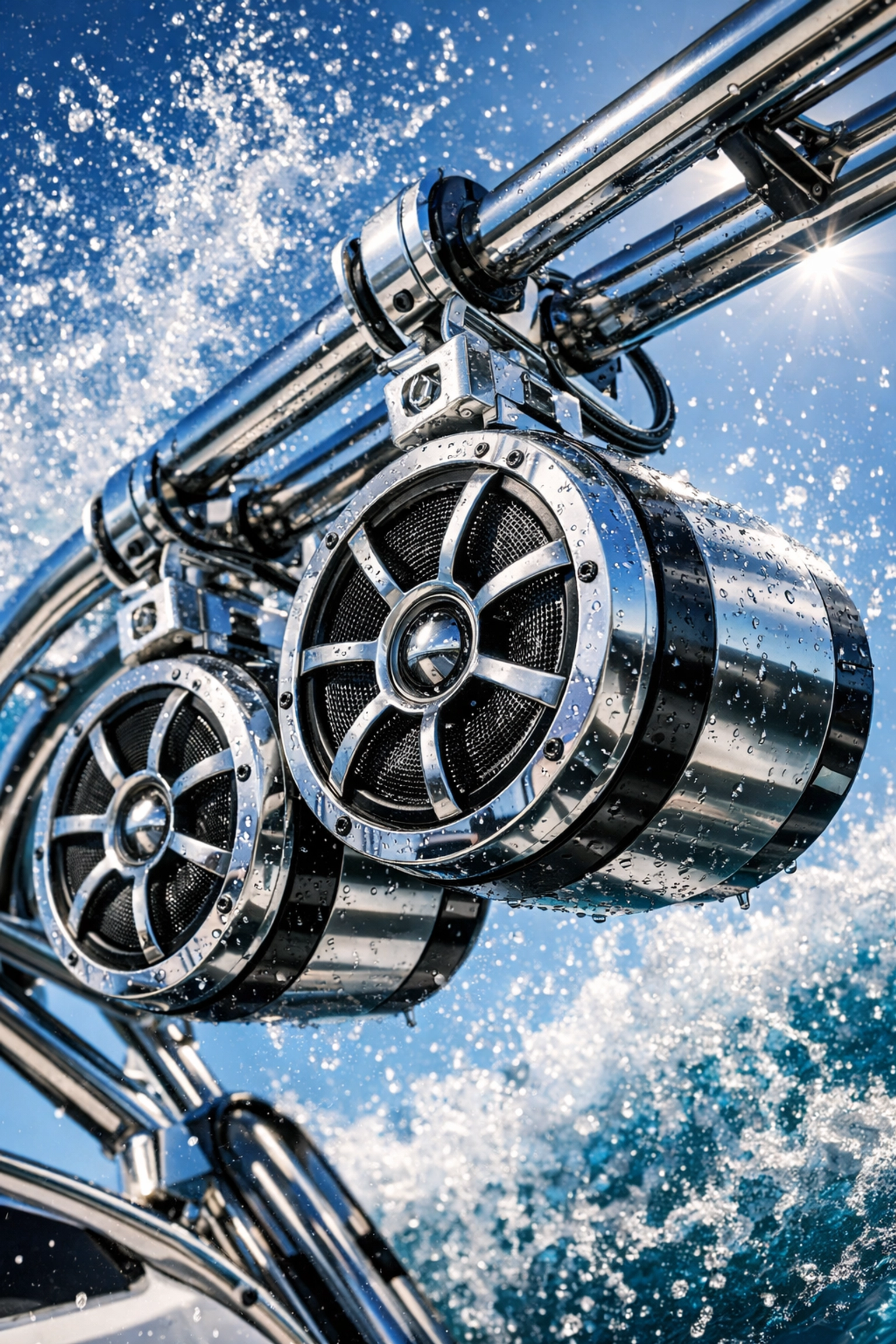
Marine speakers require UV-resistant materials and corrosion-proof construction. JL Audio marine tower speakers deliver sound across the water while withstanding spray and sun exposure. Component systems include speakers, amplifiers, and subwoofers designed for marine applications.
Check existing stereo head units for corrosion at connections. Replace units showing water damage or connectivity issues. Modern marine receivers offer Bluetooth connectivity, smartphone integration, and waterproof construction.
Amplifiers power larger speaker systems. Marine amplifiers feature conformal-coated circuit boards that resist moisture and salt corrosion. Match amplifier power ratings to speaker specifications for optimal performance.
Inspect all audio wiring. Replace cracked or corroded connections. Use marine-grade wire with proper gauge for power requirements. Seal all connections with heat shrink or marine sealant.
Engine Components and Fuel System
Replace engine oil and filter every six months or 375 hours. Check manufacturer specifications for recommended oil type and viscosity.
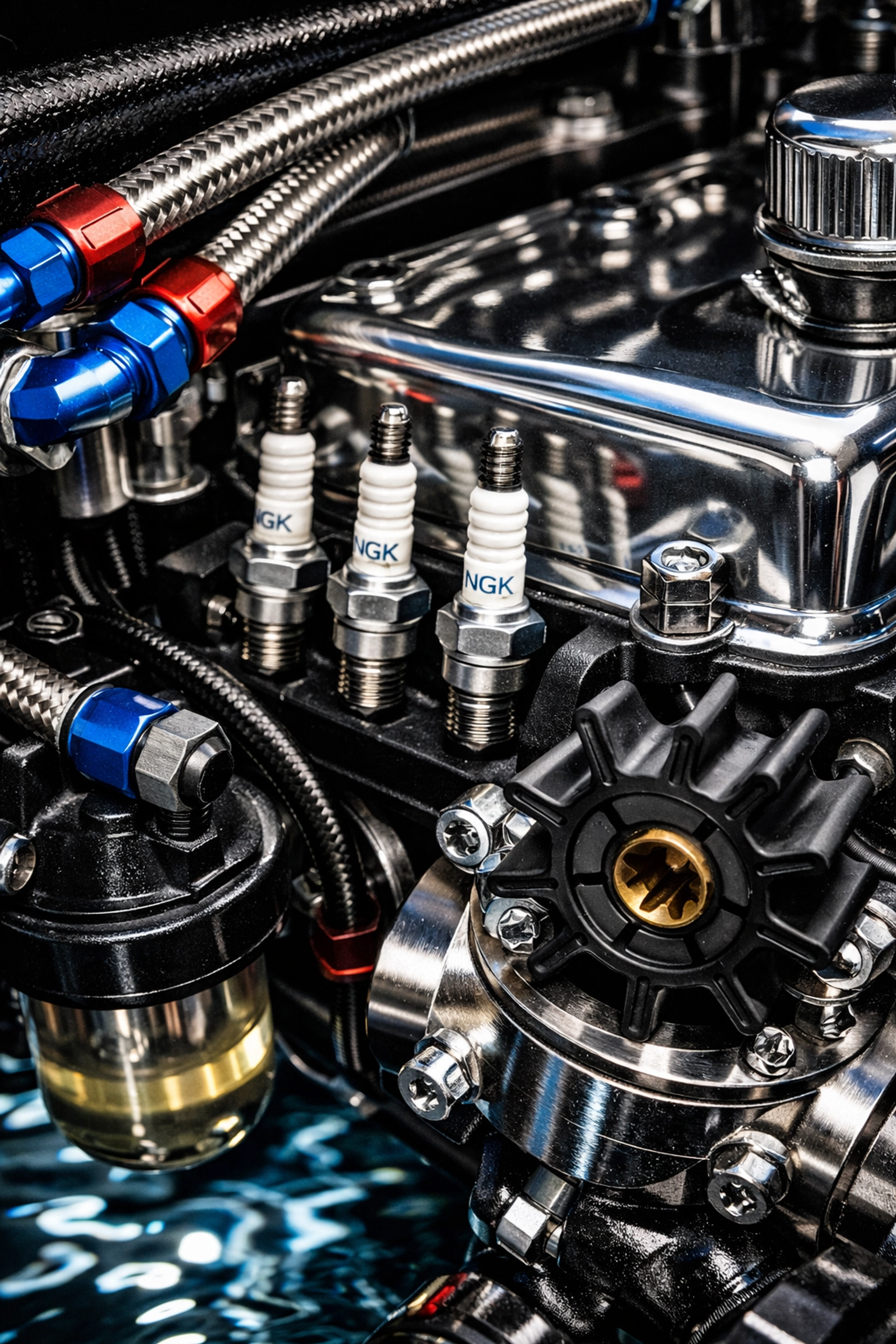
Fuel filters require annual replacement. Old filters restrict fuel flow and reduce engine performance. Replace spark plugs and inspect plug wires for cracks or damage.
Engine belts wear over time. Check for fraying, cracking, or glazing. Replace worn belts before failure occurs.
Water pump impellers move coolant through the engine. Inspect impeller blades for wear, cracks, or missing pieces. Replace impellers showing damage.
Inspect fuel lines and tank for dry rot, brittleness, cracking, and leaks. Replace damaged fuel lines with marine-grade hose. Check fuel tank vents for blockages.
Hull and Propeller Protection
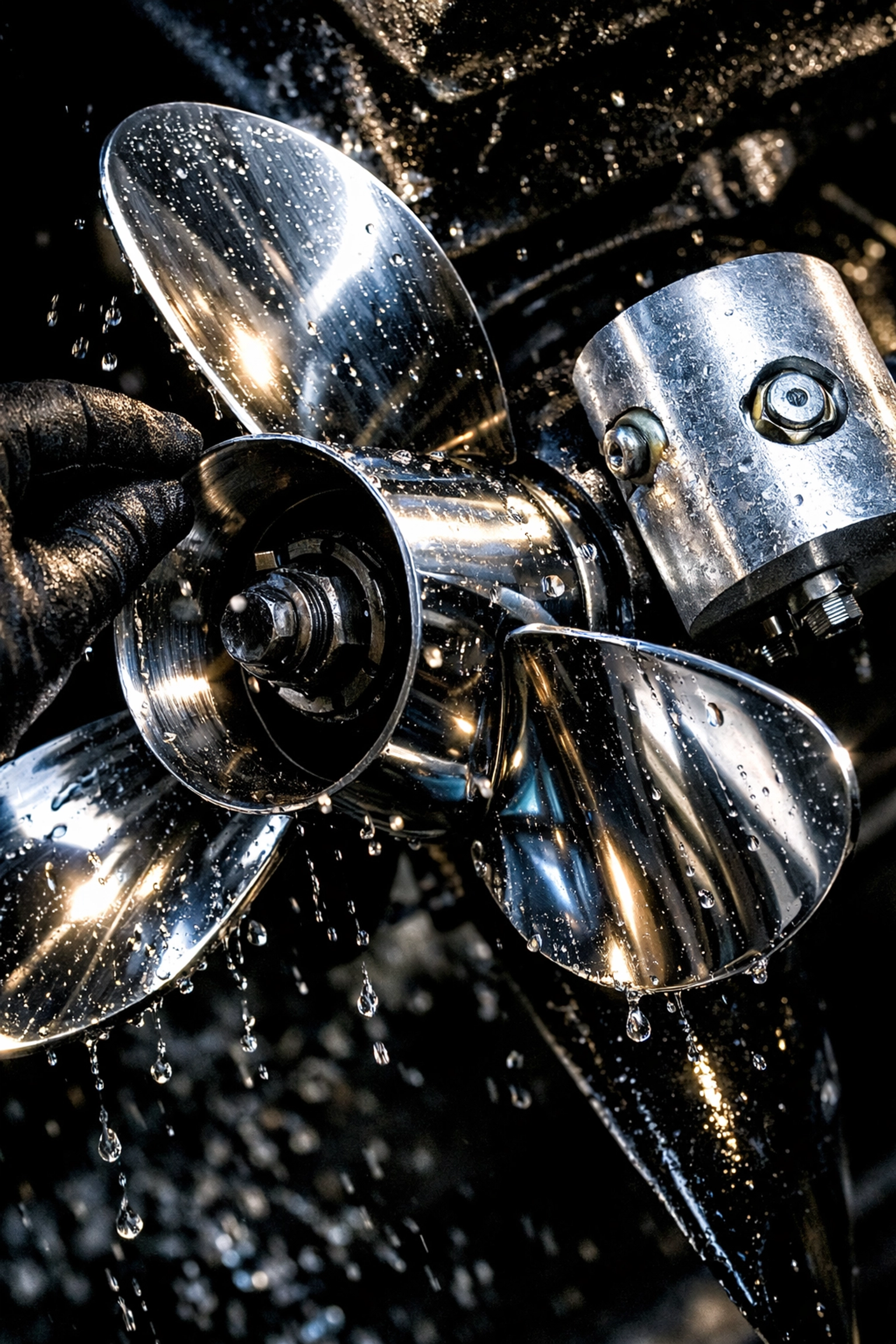
Replace zinc anodes annually. Anodes sacrifice themselves to prevent corrosion on metal components. Check anode condition: replace when 50% depleted.
Inspect propeller for cracks, pitting, distortion, dings, and nicks. Minor damage affects performance. Major damage causes vibration and potential shaft damage. Verify lock nut and cotter pin security.
Examine hull for cracks, blisters, distortions, and abrasions. Small cracks expand with use. Repair hull damage before launching. Check drain plugs fit tightly: loose plugs cause sinking.
Apply bottom paint on boats kept in water. Antifouling paint prevents marine growth. Clean and prep hull surface before painting.
Hoses, Cables, and Clamps
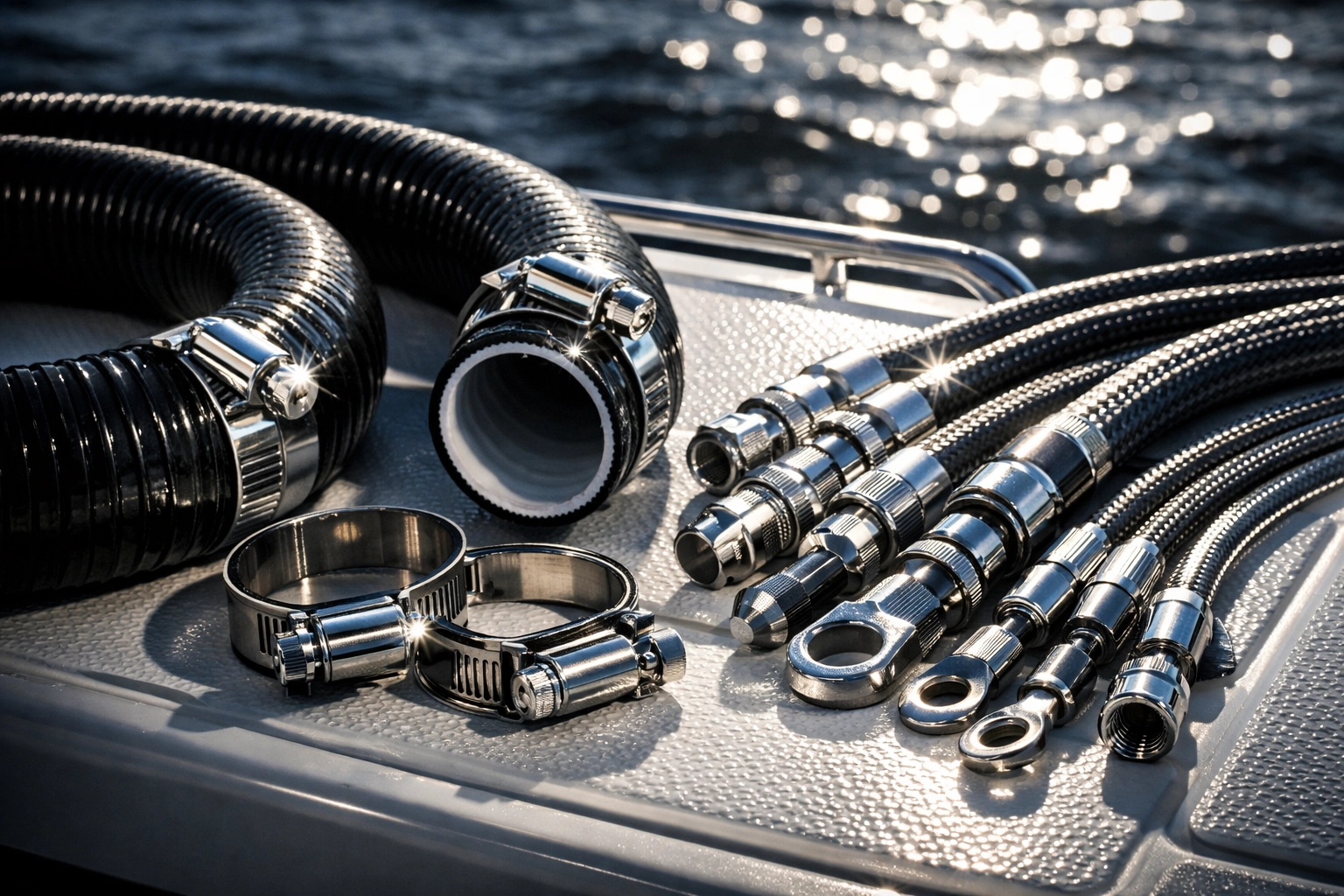
Check all hoses and clamps for corrosion, leaks, cracks, and swelling. Replace damaged hoses with marine-grade replacements. Tighten loose clamps.
Steering cables need annual greasing at season start. Inspect cable housing for cracks or damage. Test steering for smooth operation and proper response.
Control cables connect throttle and shift controls to engine. Examine outer jackets for cracks or swelling indicating internal corrosion. Replace damaged cables.
Bilge pump hoses require inspection. Clogged or damaged hoses prevent proper water removal. Clear blockages and replace cracked hoses.
Fluid Levels and Cooling System
Check and refill motor oil, power steering fluid, power trim and tilt reservoirs, and gear lube. Use manufacturer-specified fluids. Low fluid levels cause component damage.
Flush cooling system every three years or 6000 hours. Flushing removes salt deposits and debris. Use fresh water or cooling system cleaner per manufacturer instructions.
Inspect coolant hoses for cracks or soft spots. Replace damaged hoses. Check radiator cap seal condition.
Safety and Communication Equipment
Test VHF and GPS antenna connections. Disconnect antennas, spray connections with moisture-displacing lubricant, reconnect, and test operation.
Verify all required safety equipment meets Coast Guard regulations. Check expiration dates on flares, fire extinguishers, and first aid supplies. Replace expired items.
Inspect life jackets for rips, tears, or damaged straps. Verify proper Coast Guard approval ratings. Replace damaged life jackets.
Check anchor lines and dock lines for damage and deterioration. UV exposure weakens rope fibers. Replace frayed or damaged lines.
Test navigation lights, horn, and other required equipment. Replace burned bulbs. Check wiring connections.
Water System Maintenance
Change holding tank filter annually. Clogged filters cause odors and system backups.
Fill and test water system. Run all faucets, showers, and deck washdowns to remove non-toxic antifreeze used during winterization. Check for leaks at connections.
Inspect freshwater tank for sediment or contamination. Sanitize tank with bleach solution: one cup bleach per 15 gallons capacity. Flush thoroughly.
Replace water pump if showing wear or reduced pressure. Check pressure switch settings.
Trailer Components
Check tire pressure and condition including spare. Inspect tread depth and sidewall condition. Replace worn or damaged tires.
Verify lug nut torque per manufacturer specifications. Loose lug nuts cause wheel damage or detachment.
Inspect wheel bearings. Remove, clean, inspect, repack with marine-grade grease. Replace damaged bearings or races.
Test trailer lights and electrical connections. Check running lights, brake lights, and turn signals. Clean corroded connections. Replace damaged wiring.
Check trailer brakes if equipped. Inspect brake pads for wear. Verify proper adjustment and operation.
Inspect winch strap and cable for fraying or damage. Replace damaged components. Lubricate winch mechanism.
Ordering Essential Marine Gear
DIY Customs Store ships marine gear nationwide to all 50 states. Orders over $200 ship free. Browse marine audio systems at diycustoms.store including JL Audio marine speakers, amplifiers, and complete entertainment systems.
The outlet section at diycustoms.store/collections/outlet-scratch-dent-or-end-of-life-clearance offers discounted premium marine gear from brands like JL Audio, Fusion, and Wet Sounds. Scratched, dented, or end-of-life products provide significant savings on marine-grade equipment.
Online ordering provides access to complete marine gear catalog. Pittsburgh headquarters offers local pickup option. National shipping serves boat owners across America.
Spring boat prep requires systematic component inspection and replacement. Essential marine gear includes batteries, audio systems, safety equipment, and maintenance supplies. Order components early to complete prep before launch season.
SEO Keywords: marine entertainment systems, JL Audio marine speakers, marine audio systems, boat spring prep, marine gear, boat maintenance, marine amplifiers, boat safety equipment, marine batteries, boat audio upgrade
Meta Description: Essential marine gear guide for spring boat prep. Shop JL Audio marine entertainment systems, batteries, safety equipment. Free shipping over $200. Ships nationwide.
Excerpt: Complete guide to essential marine gear for spring boat prep. Covers batteries, JL Audio marine entertainment systems, safety equipment, and maintenance supplies. Free shipping over $200 to all 50 states.